Water Damage Restoration in Georgetown Village, TX
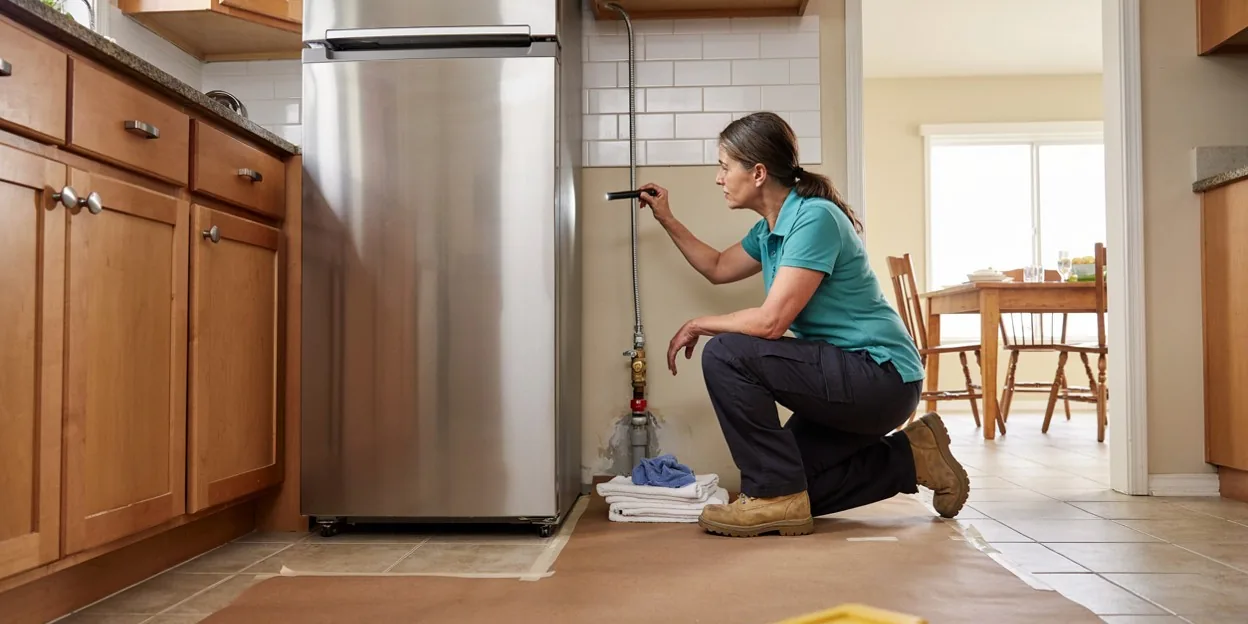
Georgetown Village is the neighborhood near Shell Road and Williams Drive on the north side of the city, built from the late 1990s through the 2010s by a run of production builders with homes from about 1,750 to 3,200 square feet. Single- and two-story slab houses, brick and stone fronts, attic plumbing, and laundry rooms that are upstairs in the two-story plans. The oldest sections are now old enough for the original water heaters and washer hoses to fail. The neighborhood was built in phases by different builders, so the plumbing varies street by street: copper in the earliest sections, CPVC in some of the middle years, and PEX in the last phases, each with its own way of failing in a freeze.
The neighborhood sits on limestone above the North Fork, between Sun City and the lake, and its streets drain to the greenbelt trails.
This site connects Georgetown Village homeowners with an independent local water damage provider by phone. The provider takes readings in the house before deciding what opens.
Georgetown Village water damage in a house from 2004
A washer hose on the second floor that let go is washing machine overflow cleanup upstairs and a ceiling downstairs. A water heater in the garage that rusted through is water extraction plus readings in the wall behind it. A slab drain that backed up into the lowest bath is sewage cleanup.
The pool, the trails, and the city permit desk
Georgetown Village is inside the city, so rebuild permits come from Georgetown, and the HOA that runs the pool and trails has contractor rules the provider should ask for.
Call (512) 399-1654 and say what got wet. We put you through to a local water damage provider serving Georgetown Village.
Services Available in Georgetown Village
Water Extraction
Standing water pumped off a slab, a pier-and-beam floor, or a garage, then the first meter readings to see which walls it reached.
Frozen Pipe Cleanup
Cleanup after an attic or exterior-wall line split in a hard freeze, then drying of the ceilings, walls, and floors the thaw soaked.
Crawl Space Water Extraction
Water pumped from under an Old Town pier-and-beam house, then joists and subfloor metered and dried from below.
Hardwood Floor Drying
Cupped long-leaf pine or engineered wood dried in place with mats and readings before anyone decides to tear it out.
Sewage Cleanup
Contaminated water and the flooring, drywall, and contents it touched removed under containment after a drain or main line backed up.
Washing Machine Overflow Cleanup
A failed hose or a clogged standpipe drained onto the laundry room floor and into the hall. The water is pulled and the walls metered.
Flood Cleanup
Mud, debris, and contaminated water cleared after the San Gabriel or a creek came up, then wet materials removed and the house dried.
Water Damage Reconstruction
Drywall, trim, flooring, and paint put back after drying, with historic-district rules and city permits handled before the work starts.